
Perinatal Mental Health Perth: Anxiety, Depression & Motherhood Support
By Esther English, Registered Counsellor – As You Are Counselling
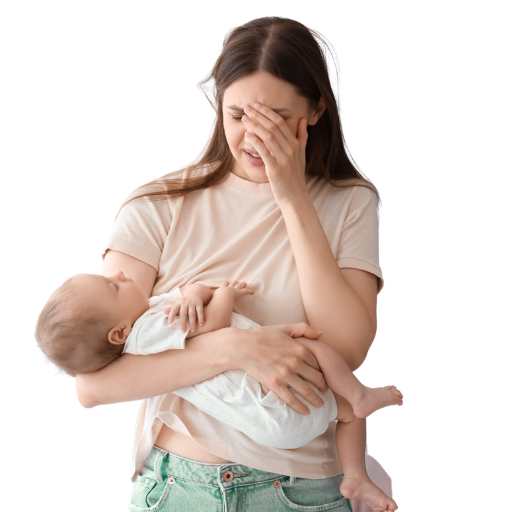
The transition into motherhood is often portrayed as instinctive, joyful, and deeply fulfilling. Yet for many women, the perinatal period can feel emotionally overwhelming, mentally exhausting, and unexpectedly isolating. At Wellness Zone Warwick Perth, we recognise that maternal mental health is not simply about “coping” — it’s about supporting women holistically through one of life’s most significant transitions.
The perinatal period, spanning from conception through pregnancy, birth, and the early years of parenting, is a time of immense physical, emotional, hormonal, and psychological change. While every mother’s experience is unique, many women quietly navigate anxiety, emotional burnout, identity shifts, and depression without feeling safe enough to speak openly about it.
Understanding how mental health shows up during motherhood is the first step toward compassionate support and healing.
Understanding Perinatal Mental Health
Perinatal mental health challenges rarely appear all at once. Instead, they often build gradually through ongoing stress, sleep deprivation, hormonal shifts, emotional pressure, and the invisible mental load of caring for a child.
Many mothers describe feeling:
- Constantly “on alert”
- Mentally overstimulated
- Emotionally disconnected
- Easily overwhelmed
- Unable to fully relax
- Guilty for needing support
- Unsure of who they are anymore
These feelings are far more common than many realise. According to the Australian Perinatal Mental Health Guidelines, anxiety and depression affect a significant number of women during pregnancy and early motherhood.
Yet despite growing awareness, many women still feel pressure to appear grateful, capable, and emotionally stable — even when struggling internally.
Perinatal Anxiety: When the Mind Never Switches Off
Perinatal anxiety is one of the most common yet under-recognised mental health conditions affecting mothers.
Unlike occasional worry, perinatal anxiety can become persistent and consuming. It often presents physically, emotionally, and mentally.
Common Signs of Perinatal Anxiety
Racing thoughts:
- Difficulty sleeping even when exhausted
- Intrusive fears about the baby’s safety
- Constant checking or reassurance-seeking
- Tight chest or shallow breathing
- Irritability and restlessness
- Difficulty concentrating
- Fear of being judged as a parent
For some women, anxiety revolves around feeding, sleep schedules, developmental milestones, or returning to work. For others, it manifests as perfectionism and fear of “getting motherhood wrong.”
Many mothers silently carry the belief that they should instinctively know how to parent. When reality feels messy or uncertain, self-doubt can intensify.
Perinatal Depression: More Than the “Baby Blues”
Temporary emotional fluctuations after birth are common. However, perinatal depression extends far beyond occasional sadness or fatigue.
It can affect emotional wellbeing, relationships, motivation, identity, and the ability to experience joy.
Symptoms of Perinatal Depression
- Persistent low mood
- Emotional numbness
- Loss of enjoyment in daily life
- Withdrawal from loved ones
- Feelings of failure or shame
- Difficulty bonding with the baby
- Changes in appetite
- Fatigue that goes beyond sleep deprivation
- Hopelessness or emotional heaviness
One of the most painful aspects of perinatal depression is the disconnect between expectations and reality. Many women deeply love their child while simultaneously grieving the loss of freedom, certainty, or the person they once were.
These emotions can coexist — and acknowledging them without judgment is essential.
The Hidden Mental Load of Motherhood
Modern motherhood often involves invisible emotional labour that can significantly impact mental health.
This mental load includes:
- Remembering appointments and routines
- Anticipating everyone’s needs
- Managing household responsibilities
- Balancing work and caregiving
- Monitoring developmental milestones
- Emotional caregiving for partners and children
Over time, carrying this constant cognitive responsibility can lead to nervous system exhaustion, emotional depletion, and chronic stress.
At Wellness Zone Warwick Perth, we encourage mothers to recognise that emotional fatigue is not weakness — it is often a reflection of prolonged overload without adequate support.
Identity Change and Emotional Adjustment in Motherhood
One of the least discussed aspects of the perinatal period is identity transformation.
Motherhood can involve profound shifts in:
- Relationships
- Career direction
- Independence
- Social connection
- Body image
- Daily routines
- Personal priorities
Many women experience grief for their previous life while also loving their child deeply. This emotional complexity is normal, yet society rarely creates space for these conversations.
Without validation or support, identity-related distress may contribute to anxiety, resentment, isolation, or depression.
Learning to integrate motherhood into an evolving sense of self takes time, compassion, and support.
Nutrition and Maternal Mental Health
Nutrition plays a critical role in supporting emotional wellbeing during pregnancy and postpartum recovery.
The body and brain require increased nutritional support during the perinatal period, especially when dealing with hormonal changes, stress, sleep deprivation, and recovery from birth.
Nutrients That Support Mental Health During Motherhood
- Omega-3 Fatty Acids: Found in oily fish, walnuts, and flaxseeds, omega-3s support brain function and may help reduce symptoms of depression and anxiety.
- Iron: Iron deficiency is common after childbirth and can contribute to fatigue, low mood, brain fog, and exhaustion.
- Magnesium: Magnesium supports nervous system regulation, muscle relaxation, sleep quality, and stress management.
- B Vitamins: B vitamins help support energy production, mood regulation, and cognitive function.
- Protein and Blood Sugar Balance: Regular protein-rich meals help stabilise blood sugar levels, which can influence mood, energy, and emotional resilience.
- Gut Health: Emerging research highlights the connection between gut health and mental wellbeing through the gut-brain axis. A nutrient-dense diet rich in fibre, probiotics, and whole foods may support emotional balance.
Simple, nourishing meals can have a meaningful impact during periods of emotional stress and recovery.
A Traditional Chinese Medicine (TCM) Perspective on Perinatal Mental Health
Traditional Chinese Medicine (TCM) views mental and emotional wellbeing as deeply connected to the body’s internal balance and energy systems.
From a TCM perspective, pregnancy, birth, and postpartum recovery significantly affect the body’s Qi (energy), Blood, and organ systems — particularly the Heart, Liver, Spleen, and Kidneys.
Common TCM Patterns in Perinatal Mental Health
Liver Qi Stagnation: Often associated with emotional stress, frustration, irritability, and anxiety.
Blood Deficiency: After childbirth, Blood deficiency may contribute to fatigue, dizziness, insomnia, poor concentration, and emotional sensitivity.
Spleen Qi Deficiency: This pattern can present as exhaustion, overwhelm, digestive issues, overthinking, and emotional depletion.
Heart Shen Disturbance: In TCM, the “Shen” refers to the mind and spirit. Disturbance of the Shen may contribute to insomnia, anxiety, restlessness, and emotional instability.
How TCM May Support Mothers
Traditional Chinese Medicine may support perinatal wellbeing through:
- Acupuncture
- Herbal medicine (under professional guidance)
- Nutritional therapy
- Stress regulation
- Sleep support
- Nervous system calming practices
At Wellness Zone Warwick Perth, integrative care approaches can help mothers feel supported physically and emotionally during this sensitive life stage.
The Importance of Self-Compassion in Motherhood
Self-compassion is not indulgence — it is a protective mental health practice.
Many mothers hold themselves to impossible standards while speaking to themselves more harshly than they would ever speak to a friend.
Practising self-compassion may involve:
- Letting go of perfectionism
- Allowing space for difficult emotions
- Accepting support without guilt
- Recognising that motherhood is learned
- Speaking kindly to yourself during hard moments
Healing often begins when mothers feel safe enough to be honest about their experiences without fear of judgment.
Seeking Support During the Perinatal Period
No mother is meant to navigate the perinatal period alone.
Professional support can make a significant difference, whether through counselling, nutrition support, acupuncture, body-based therapies, or community care.
Seeking help is not a sign of failure — it is an act of strength and self-awareness.
At Wellness Zone Warwick Perth, holistic support may include:
- Counselling and emotional support from As you Are Counceling
- Acupuncture for stress and nervous system regulation
- Nutritional guidance
- Women’s health support
- Mind-body therapies
- Wellness-focused care tailored to each individual
Every mother deserves care that acknowledges both her emotional experience and physical wellbeing.
Frequently Asked Questions
What is the perinatal period? The perinatal period refers to the time from pregnancy through the first years after birth. It includes major physical, emotional, and psychological changes for mothers.
What are common signs of perinatal anxiety? Common signs include racing thoughts, excessive worry, irritability, difficulty sleeping, muscle tension, and constant feelings of alertness or fear.
Can nutrition affect maternal mental health? Yes. Nutrients such as omega-3 fatty acids, magnesium, iron, and B vitamins play important roles in mood regulation, nervous system health, and energy levels.
How does Traditional Chinese Medicine support postpartum wellbeing? TCM may support postpartum recovery through acupuncture, herbal medicine, dietary therapy, and practices aimed at restoring balance, energy, and emotional wellbeing.
When should I seek support for perinatal mental health? If feelings of anxiety, sadness, overwhelm, or emotional distress persist or interfere with daily life, seeking professional support can be highly beneficial.
Final Thoughts
Motherhood is transformative, beautiful, demanding, and emotionally layered all at once. The perinatal period can bring joy alongside grief, love alongside exhaustion, and connection alongside uncertainty.
Recognising the emotional realities of motherhood — without shame or unrealistic expectations — allows women to access the support they truly need.
Whether through counselling, nutrition, Traditional Chinese Medicine, or holistic wellness care, compassionate support can help mothers feel more grounded, nourished, and emotionally supported throughout the perinatal journey.
About the Author
Esther English is a registered counsellor and one of the partners of As You Are Counselling, a Perth-based practice supporting women and mothers through anxiety, depression, identity change, and emotional wellbeing during the perinatal period.
For holistic wellness support in Perth, visit Wellness Zone Warwick Perth.