
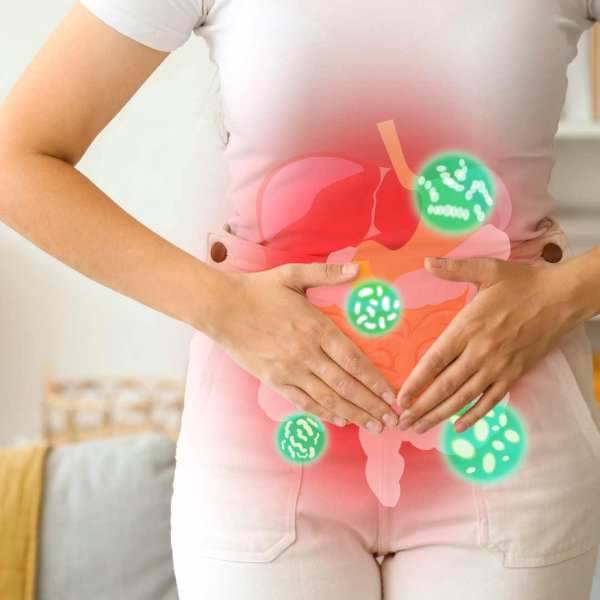
Healthy Gut, Healthy You
Where Modern Nutrition Meets Traditional Chinese Medicine
Written by Lorraine English
Clinical Nutritionist | MRC Certified Healthy Gut Practitioner | Microba Certified Healthcare Practitioner
Your Gut: The Foundation of Good Health
At Wellness Zone, we see many people experiencing digestive discomfort, fatigue, brain fog, hormonal changes, poor immunity and unexplained health concerns. Whether you’re navigating menopause, managing IBS or simply not feeling your best, one area that is often overlooked is the health of your gastrointestinal tract.
As a Clinical Nutritionist, I frequently see people who have accepted bloating, constipation, reflux, low energy or food sensitivities as “normal.” Yet these symptoms are often signs that the digestive system isn’t functioning as well as it could.
Modern science tells us that the gut microbiome—the trillions of bacteria, fungi and other microorganisms living in our digestive tract—plays an essential role in digestion, immunity, metabolism, hormone regulation and mental wellbeing. At the same time, Traditional Chinese Medicine (TCM) has recognised for thousands of years that healthy digestion is the foundation of vitality.
Although they use different language, both approaches share the same goal: supporting the body’s natural ability to heal and maintain balance. This guide brings together evidence-based nutrition and the wisdom of Traditional Chinese Medicine to help you better understand your gut and discover practical ways to support your digestive health naturally.
Why Gut Health Matters
In Western medicine, your digestive system is responsible for far more than simply breaking down food. A healthy gut microbiome helps digest fibre, produce vitamins, regulate immunity, reduce inflammation and influence everything from blood sugar control to hormone metabolism and brain function.
From a Traditional Chinese Medicine perspective, digestion is governed by the Spleen and Stomach, often referred to as the “root of postnatal Qi.” These organs are responsible for transforming food into Qi (energy) and Blood, providing nourishment to every organ and tissue throughout the body.
When digestion is working well, we have energy, clear thinking, healthy bowel movements and good resilience. When it’s not, symptoms such as bloating, fatigue, brain fog, loose stools, constipation and poor immunity can develop.
Although Western medicine and TCM describe digestive health differently, both recognise that a healthy gut is central to overall wellbeing.
Digestion
Your gut bacteria help break down dietary fibre and resistant starch that your body can’t digest on its own. In doing so, they produce beneficial compounds called short-chain fatty acids (SCFAs), which nourish the cells lining your bowel, strengthen your gut barrier and reduce inflammation.
From a TCM perspective, efficient digestion depends on strong Spleen Qi. When the Spleen is functioning well, food is transformed into nourishment and energy. When it becomes weakened, symptoms such as bloating, sluggish digestion and fatigue commonly appear.
Nutrient Absorption
A healthy gut lining allows your body to absorb vitamins, minerals and other nutrients effectively. Your microbiome also produces vitamin K and several B vitamins while supporting mineral absorption.
In TCM, strong digestion ensures the body produces sufficient Qi and Blood to nourish every organ. Even the healthiest foods may not provide optimal benefit if digestion is impaired.
Immune Health
Around 70% of the body’s immune cells are associated with the gut, making digestive health essential for a strong immune system.
Beneficial bacteria help train immune cells, maintain the gut barrier and regulate inflammation.
Similarly, TCM views healthy digestion as essential for producing Defensive Qi (Wei Qi)—the body’s protective energy that helps resist illness and maintain health.
Mood, Hormones and Inflammation
Your gut and brain are closely connected through the gut-brain axis, allowing gut bacteria to influence mood, sleep, stress resilience and cognitive function.
The gut microbiome also helps regulate hormone metabolism, including oestrogen, making gut health particularly important during perimenopause and menopause.
In TCM, emotional wellbeing and digestion are equally connected. Stress is believed to disrupt the smooth flow of Liver Qi, which can interfere with the function of the Spleen and Stomach, contributing to bloating, abdominal discomfort, reflux and changes in bowel habits.
Ten Simple Ways to Support Your Gut Naturally
1: Aim for 30 Different Plant Foods Every Week
One of the simplest and most effective ways to improve your gut health is to increase the variety of plant foods you eat. Different species of gut bacteria thrive on different types of fibre and plant compounds, so the more diverse your diet, the more diverse and resilient your microbiome becomes.
Wellness Zone Tip: Rather than focusing on eating large amounts of the same vegetables every day, challenge yourself to include 30 different plant foods each week. Every plant counts, including: vegetables, spices, fruit, legumes, herbs, wholegrains, nuts and seeds.
2. Feed Your Gut with Fibre
Fibre is one of the most important nutrients for a healthy gut microbiome. Unlike carbohydrates that are digested in the small intestine, fibre reaches the large bowel where it becomes food for your beneficial gut bacteria. As these bacteria ferment fibre, they produce short-chain fatty acids (SCFAs), including butyrate, acetate and propionate, which help reduce inflammation, strengthen the gut lining and support immune and metabolic health.
Wellness Zone Tip: Alongside increasing fibre, consider how you prepare your meals. From a TCM perspective, warm, cooked foods such as soups, casseroles, steamed vegetables and porridges are often easier to digest than large amounts of raw or cold foods, particularly if you frequently experience bloating, loose stools or feel cold easily.
3: Include Prebiotic Foods Daily
Prebiotics are specialised fibres that selectively feed beneficial gut bacteria. Unlike probiotics, they don’t contain bacteria—instead, they nourish the bacteria already living in your gut.
Including prebiotic foods each day helps promote microbial diversity and increases the production of beneficial compounds that support gut barrier function and reduce inflammation. Excellent prebiotic foods include: garlic, onions, leeks, asparagus, oats, pearl barley, chickpeas, lentils, green bananas, Jerusalem artichokes.
Wellness Zone Tip: Try adding garlic and onion to cooking, swapping white rice for barley occasionally, or including legumes in soups, salads and curries throughout the week.
4: Add Fermented Foods
Fermented foods naturally contain live microorganisms and beneficial compounds produced during fermentation. While they don’t permanently colonise your gut, regular consumption may help support microbial diversity and overall digestive health.
Wellness Zone Tip: : Aim to include 2–3 serves each week of foods such as: natural yoghurt, kefir, kimchi, sauerkraut, tempeh, miso.
5. Eat More Colour
The brighter your plate, the happier your gut bacteria are likely to be. Colourful plant foods are rich in polyphenols—natural compounds that act like fertiliser for beneficial gut bacteria. They encourage microbial diversity while also providing antioxidant and anti-inflammatory benefits.
Aim to include a rainbow of colours throughout the week, such as: berries, red cabbage, leafy greens, Bbeetroot, tomatoes, purple carrots, herbs, extra virgin olive oil, green tea and Cocoa.
Wellness Zone Tip: Eating seasonally and choosing a wide variety of colourful fruits and vegetables supports both microbial diversity and the TCM principle of maintaining harmony with the seasons.
6: Reduce Ultra-Processed Foods
You don’t have to eat perfectly, but regularly consuming ultra-processed foods may reduce microbial diversity and promote inflammation. Many packaged foods are low in fibre and high in refined sugars, unhealthy fats and food additives that may negatively affect the gut microbiome.
Research also suggests some emulsifiers, commonly used to improve texture and shelf life, may alter the gut barrier and encourage inflammation in susceptible individuals.
Examples include:
- Carboxymethylcellulose (CMC)
- Polysorbate-80
- Carrageenan
Wellness Zone Tip: Choosing foods that are as close as possible to their natural form is one of the simplest ways to support a healthier microbiome.
7: Prioritise Sleep
Your gut microbiome follows a daily rhythm, just like the rest of your body.
Poor sleep and disrupted circadian rhythms have been linked with reduced microbial diversity, increased inflammation and changes in metabolism.
Wellness Zone Tip: Aim for 7–9 hours of quality sleep each night
8. Manage Stress
Modern research shows chronic stress changes the gut microbiome through the gut-brain axis, affecting digestion, gut motility and inflammation.
Traditional Chinese Medicine has recognised this connection for centuries. Stress is believed to cause Liver Qi Stagnation, which may impair the function of the Spleen and Stomach, leading to symptoms such as bloating, indigestion, reflux and irregular bowel habits.
Wellness Zone Tip: Don’t wait until you’re overwhelmed before managing stress.
Even five slow, deep breaths three times a day, a short walk in nature, meditation or an acupuncture treatment can help calm your nervous system, improve digestion and restore balance throughout the body.
9: Exercise Regularly
Movement isn’t just good for your heart and muscles—it also benefits your gut microbiome.Research has shown that regular physical activity is associated with greater microbial diversity and increased production of beneficial short-chain fatty acids.
Gentle movement is also an important part of Traditional Chinese Medicine. Activities such as walking, Tai Chi and Qigong help move Qi throughout the body, improve circulation and support healthy digestion while calming the nervous system
Wellness Zone Tip: Aim for at least 30 minutes of moderate activity most days, the best exercise is one you enjoy and can maintain consistently.
10: Use Supplements Wisely
Supplements can sometimes play a helpful role in supporting gut health, but they shouldn’t replace a healthy diet and lifestyle.
Probiotics are live microorganisms that may provide health benefits when taken in adequate amounts. However, most probiotic strains are temporary visitors—they don’t permanently colonise the gut.
Different Strains Have Different Jobs: One probiotic strain may help reduce bloating, while another may support immune function or gut-brain health. This is why choosing a probiotic should be based on your individual health concerns rather than marketing claims.
Wellness Zone Tip: There Is No “One-Size-Fits-All” Probiotic – Get Advice
An Integrative Approach to Gut Health
In Traditional Chinese Medicine, digestion is often compared to a cooking pot. Food must be “cooked” efficiently to extract nourishment. If this digestive “fire” becomes weak, food may not be fully transformed, leading to bloating, fatigue, loose stools and Dampness. Supporting digestion with regular meals, eating slowly, chewing well and choosing warm, nourishing foods can help optimise digestive function.
At Wellness Zone, we believe the best outcomes come from combining modern science with traditional wisdom.
Clinical nutrition provides evidence-based dietary strategies that nourish the gut microbiome, while Traditional Chinese Medicine and acupuncture take a holistic view of your health, considering digestion, energy, sleep, stress and overall balance.
Rather than simply treating symptoms, we aim to understand why they are occurring and create an individualised plan that supports your body’s natural healing processes.
Personalised Gut Health with Microba Testing
General gut health advice is beneficial for almost everyone, but your gut microbiome is as unique as your fingerprint. Two people experiencing similar symptoms may have very different microbial patterns and therefore require different nutrition strategies.
Microba Gut Microbiome Testing uses advanced DNA sequencing to analyse the microorganisms living in your gut and provide detailed information about microbial diversity, beneficial bacteria and important microbial functions.
Combined with a comprehensive consultation, nutritional assessment and, where appropriate, Traditional Chinese Medicine, these insights allow us to develop a truly personalised treatment plan that supports your individual health goals.
How Wellness Zone Can Help
Whether you’re experiencing digestive symptoms, food intolerances, menopause, fatigue, skin conditions or simply want to improve your overall health, our experienced practitioners are here to help.
Our integrative approach may include:
- Clinical Nutrition
- Traditional Chinese Medicine
- Acupuncture
- Microba Gut Microbiome Testing
- Functional Testing
- Personalised Nutrition Plans
- Lifestyle and Stress Management
- Chinese Herbal Medicine (where appropriate)
Together, we’ll work with you to restore digestive health, improve wellbeing and help you feel your best—naturally.
Book an appointment with the Wellness Zone team today and discover how an integrative approach to gut health can support your long-term wellbeing.
Frequently Asked Questions
What is the gut microbiome?
The gut microbiome is the collection of trillions of microorganisms—including bacteria, fungi and viruses—that live primarily in your large intestine. These microorganisms play an essential role in digestion, immune function, nutrient production, metabolism and overall health.
Why is a diverse gut microbiome important?
A diverse microbiome is generally considered a healthier and more resilient microbiome. Different bacteria perform different roles, including breaking down fibre, producing vitamins, supporting the immune system and creating beneficial compounds called short-chain fatty acids (SCFAs). The greater the diversity, the better your gut can adapt to changes in diet, illness and environmental factors.
How long does it take to improve gut health?
Research suggests that the gut microbiome can begin responding to dietary changes within just a few days. However, meaningful improvements in microbial diversity and gut function usually occur over several weeks to months of consistent healthy eating and lifestyle habits.
Do I need to take a probiotic?
Not necessarily. While probiotics may benefit some people, there is no single probiotic that is suitable for everyone. Different probiotic strains have different functions, and the best choice depends on your individual symptoms and health goals. For many people, improving dietary fibre and plant diversity is the most effective first step.
What is the difference between prebiotics and probiotics?
Prebiotics are types of fibre that feed the beneficial bacteria already living in your gut. Foods such as garlic, onions, asparagus, oats and legumes are excellent sources.
Probiotics are live microorganisms found in fermented foods and supplements. They may provide health benefits while they pass through your digestive system but generally do not permanently colonise the gut.
Can stress affect my gut?
Yes. Your gut and brain communicate through the gut-brain axis. Chronic stress can alter digestion, affect the balance of gut bacteria and contribute to symptoms such as bloating, abdominal discomfort and changes in bowel habits. Managing stress is an important part of maintaining a healthy gut.
What is Microba gut microbiome testing?
Microba Gut Microbiome Testing uses advanced metagenomic DNA sequencing to analyse the microorganisms living in your gut. It provides information about microbial diversity, beneficial bacteria, functional pathways and personalised nutrition recommendations, helping healthcare practitioners develop targeted nutrition strategies based on your unique microbiome.
Who should consider Microba testing?
Microba testing may be helpful if you experience ongoing digestive symptoms such as bloating, constipation, diarrhoea, food intolerances or IBS. It may also benefit people looking for a more personalised approach to improving gut, metabolic or overall health in partnership with a qualified healthcare practitioner.
References
- Cryan JF, O’Riordan KJ, Cowan CSM, et al. (2019). The Microbiota-Gut-Brain Axis. Physiological Reviews, 99(4), 1877–2013. https://doi.org/10.1152/physrev.00018.2018
- Gilbert JA, Blaser MJ, Caporaso JG, Jansson JK, Lynch SV, Knight R. (2018). Current understanding of the human microbiome. Nature Medicine, 24, 392–400.
- Hill C, Guarner F, Reid G, et al. (2014). Expert consensus document: The International Scientific Association for Probiotics and Prebiotics consensus statement on the scope and appropriate use of the term probiotic. Nature Reviews Gastroenterology & Hepatology, 11, 506–514.
- Makki K, Deehan EC, Walter J, Bäckhed F. (2018). The Impact of Dietary Fibre on Gut Microbiota in Host Health and Disease. Cell Host & Microbe, 23(6), 705–715.
- Marco ML, Sanders ME, Gänzle M, et al. (2021). The International Scientific Association for Probiotics and Prebiotics (ISAPP) consensus statement on fermented foods. Nature Reviews Gastroenterology & Hepatology, 18, 196–208.
- Morrison DJ, Preston T. (2016). Formation of Short-Chain Fatty Acids by the Gut Microbiota and Their Impact on Human Metabolism. Gut Microbes, 7(3), 189–200.
- Singh RK, Chang HW, Yan D, et al. (2017). Influence of Diet on the Gut Microbiome and Implications for Human Health. Journal of Translational Medicine, 15, 73.
- Valdes AM, Walter J, Segal E, Spector TD. (2018). Role of the Gut Microbiota in Nutrition and Health. BMJ, 361, k2179. https://doi.org/10.1136/bmj.k2179