
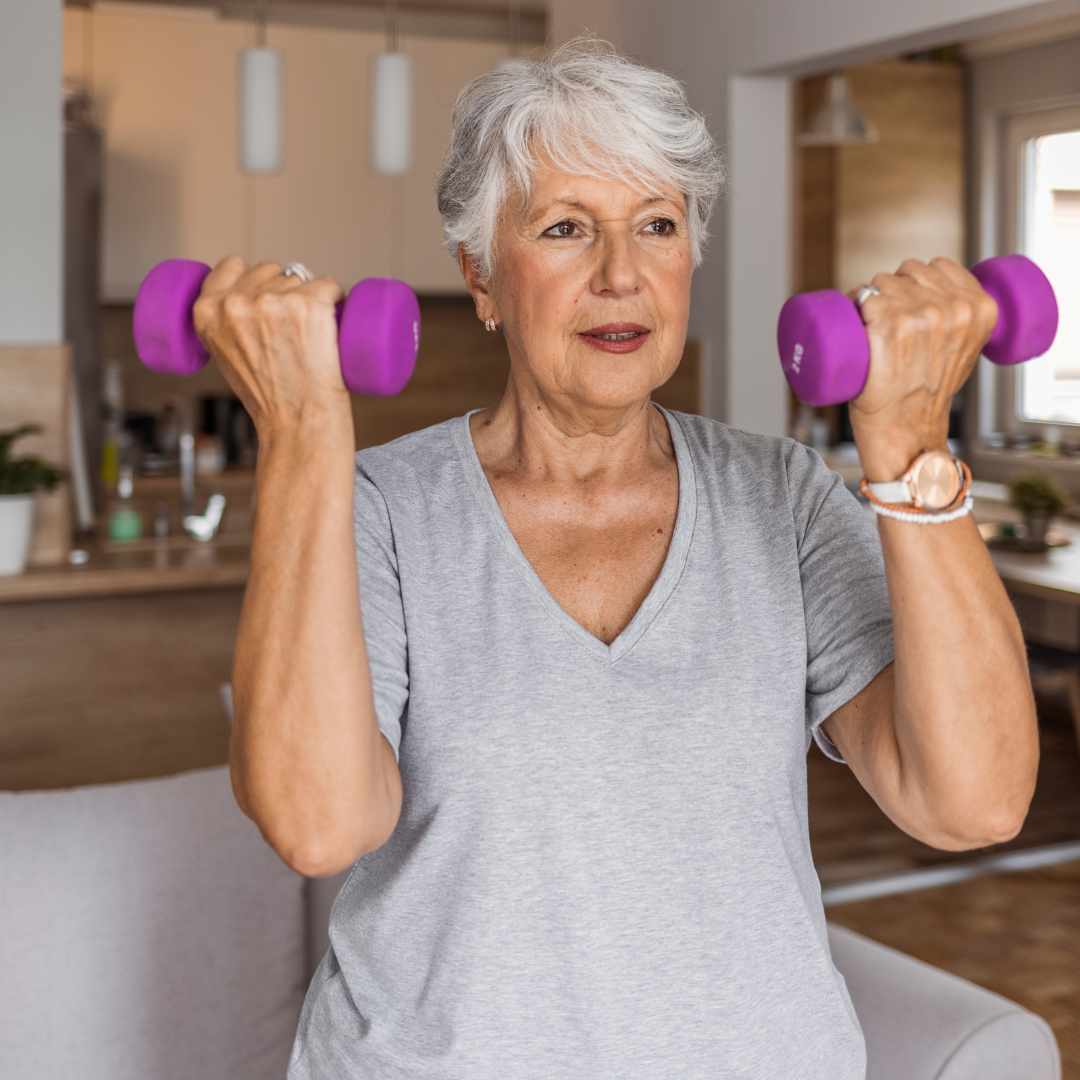
Written by Head Clinical Nutritionist Lorraine English for Wellness Zone Warwick, Perth
Introduction
From your 40s onward, maintaining lean muscle becomes one of the most important strategies for metabolic health, healthy ageing, bone protection, insulin sensitivity, and body composition. During perimenopause and menopause, declining oestrogen, lower anabolic signaling, impaired recovery, sleep disruption, and increased inflammation can accelerate the loss of muscle mass (sarcopenia) and strength.
At Wellness Zone Warwick, Perth, we take an integrative approach to muscle health—combining evidence-based nutrition, targeted supplementation, movement, and therapies such as acupuncture and Traditional Chinese Medicine (TCM) to support strength, recovery, and vitality.
Why Muscle Loss Increases During Menopause
Muscle protein balance depends on the relationship between:
- Muscle Protein Synthesis (MPS) = building new muscle proteins
- Muscle Protein Breakdown (MPB) = breakdown of existing tissue
When MPB exceeds MPS over time, muscle is lost. Menopause can shift this balance through: [1].
- Reduced oestrogen signaling
- Increased inflammatory cytokines (IL-6, TNF-α)
- Lower insulin sensitivity
- Reduced mitochondrial efficiency
- Less spontaneous movement
- Poor sleep and elevated cortisol
- Lower training intensity or recovery capacity
This is why nutrition and targeted supplementation can be especially valuable in this life stage.
Vitamin D: More Than Bone Health
Vitamin D is recognised as a regulator of skeletal muscle function, mitochondrial health, and neuromuscular performance (2).
How It Works
Vitamin D binds to receptors in muscle tissue and influences genes involved in:
- Muscle cell growth
- Calcium handling for contraction
- Mitochondrial energy production
- Reduced oxidative stress
- Satellite cell activation for muscle repair
Low vitamin D levels are linked with poorer strength, falls risk, and reduced training response. Correcting deficiency can be an important part of preserving muscle as women age.
Omega-3 Fatty Acids: Anti-Inflammatory Muscle Support
EPA and DHA omega-3 fats may help preserve muscle by improving anabolic sensitivity and lowering chronic inflammation. They may support:
- Better insulin signaling
- Improved response to protein intake
- Reduced muscle soreness
- Improved recovery after exercise
- Better functional strength over time
Many studies use 2–4 g/day combined EPA + DHA (3).
Creatine: One of the Most Effective Supplements for Strength
Creatine monohydrate remains one of the most researched supplements for improving strength, lean mass, and exercise performance (4) (5).
Benefits for Women Over 40
Creatine may help offset age-related declines in:
- Strength
- Lean muscle mass
- Recovery
- Bone-supporting training capacity
- Cognitive performance
Practical use:
- 3–5 g daily maintenance
- Consistency matters more than timing
Protein: The Foundation of Muscle Growth
No supplement can replace adequate protein intake. Ageing muscles become less responsive to small protein doses, meaning women over 40 often need a stronger protein stimulus at each meal (6) (7).
Practical Targets
Many active midlife women benefit from:
- 1.6–2.2 g protein/kg body weight/day
- Spread across 3–4 meals
- Aim for 25–40 g protein per meal
Think whey protein, eggs, Greek yoghurt, chicken, fish, soy, and lean meat are particularly useful. I always recommend 25 to 30 grams each main meal.
Acupuncture & TCM for Muscle Maintenance
At Wellness Zone Warwick, Perth, acupuncture and Traditional Chinese Medicine can be valuable complementary tools alongside exercise and nutrition.
How Acupuncture May Help Muscle Health
Emerging research suggests acupuncture may support muscle maintenance by:
- Improving circulation to muscles and connective tissue
- Reducing pain that limits exercise participation
- Supporting recovery after training
- Lowering stress and cortisol load
- Improving sleep quality, which is essential for muscle repair
- Helping regulate inflammation (8)
For women with joint pain, tendon issues, menopause symptoms, or chronic stress, acupuncture may help remove barriers to consistent movement and strength training.
TCM Perspective on Muscle Strength
In Traditional Chinese Medicine, muscle tone and vitality are often linked to the health of the Spleen, Liver, and Kidney systems. Treatment may focus on improving energy production, circulation, recovery capacity, and resilience with a combination of acupuncture, herbal medicine, and dietary therapy (9).
Common Reasons Women Seek Acupuncture for Muscle Support
- Ongoing muscle tightness
- Slow recovery
- Menopause fatigue
- Stress-related tension
- Sleep disruption
- Exercise aches and pains
- Motivation and energy support (9)
Best Muscle Maintenance Plan for Women Over 40
A practical evidence-based foundation may include:
Daily Basics
- Protein at each meal
- Resistance training 2–4 times weekly
- Creatine monohydrate
- Omega-3 support
- Correct vitamin D deficiency
- Daily walking and movement
Integrative Add-Ons
- Acupuncture for pain, recovery, sleep, and stress
- TCM support for fatigue and vitality
- Stress management
- Sleep optimisation
Final Takeaway
For women over 40, the goal should not just be weight loss—it should be muscle preservation, strength, and metabolic health. Muscle improves how you age, how you feel, and how effectively you use energy.
The strongest foundations remain:
- Resistance training
- Protein sufficiency
- Creatine
- Vitamin D if low
- Omega-3 support
- Lifestyle consistency
- Acupuncture and TCM for recovery and whole-body support
If you’d like personalised support, the team at Wellness Zone Warwick, Perth can help create a tailored plan for healthy ageing and long-term vitality.
FAQ Ideas for SEO
What is the best supplement for muscle maintenance during menopause?
Creatine, protein, vitamin D (if deficient), and omega-3s are among the most evidence-based options.
Can acupuncture help with muscle recovery?
Yes, acupuncture may help reduce pain, improve circulation, and support recovery and sleep.
How do I stop losing muscle after 40?
Prioritise strength training, adequate protein, recovery, and targeted nutrition support.
Does menopause cause muscle loss?
Hormonal changes during menopause can accelerate muscle loss, but lifestyle strategies can significantly reduce this effect.
References:
- Bauer, J., Biolo, G., Cederholm, T., et al. (2013) Evidence-based recommendations for optimal dietary protein intake in older people. Journal of the American Medical Directors Association, 14(8), pp. 542–559.
-
Remelli, F., Vitali, A., Zurlo, A. and Volpato, S. (2019) Vitamin D deficiency and sarcopenia in older persons. Nutrients, 11(12), 2861.
-
Smith, G.I., Julliand, S., Reeds, D.N., et al. (2015) Fish oil-derived n-3 PUFA therapy increases muscle mass and function in healthy older adults. The American Journal of Clinical Nutrition, 102(1), pp. 115–122.
-
Candow, D.G., Forbes, S.C., Chilibeck, P.D. and Cornish, S.M. (2019) Effectiveness of creatine supplementation on aging muscle and bone. Journal of Clinical Medicine, 8(4), 488.
-
Chilibeck, P.D., Kaviani, M., Candow, D.G. and Zello, G.A. (2017) Effect of creatine supplementation during resistance training on lean tissue mass and muscular strength in older adults: A meta-analysis. Open Access Journal of Sports Medicine, 8, pp. 213–226.
-
Houston, D.K., Nicklas, B.J., Ding, J., et al. (2008) Dietary protein intake is associated with lean mass change in older adults. The American Journal of Clinical Nutrition, 87(1), pp. 150–155.
-
Liao, C.D., Tsauo, J.Y., Wu, Y.T., et al. (2019) Effects of protein supplementation combined with resistance exercise on body composition and physical function in older adults: A meta-analysis. The American Journal of Clinical Nutrition, 109(3), pp. 1–14.
-
Li, A., Lao, L., Wang, Y. and Xin, J. (2020) Acupuncture for musculoskeletal pain and functional recovery: A review of clinical evidence. Journal of Pain Research, 13, pp. 123–135.
-
Zhang, Q., Yue, J., Lu, Y. and Sun, Z. (2019) Traditional Chinese Medicine and rehabilitation strategies for sarcopenia and ageing-related weakness. Complementary Therapies in Medicine, 45, pp. 75–82.